
The Magic of Music
Why melodies matter for dementia sufferers.
The Magic of Music
Why melodies matter for dementia sufferers.
The Magic of Music and why Melodies Matter for Dementia Sufferers
There’s something quite extraordinary about music. Every single society in the world has its own form and, for people living with dementia, music isn’t just entertainment, it often proves a lifeline to memories, emotions, and connection.
When words become difficult to find, music speaks a different language entirely. It bypasses the damaged pathways in the brain and taps directly into deep-seated memories. A familiar tune can transport someone back to their wedding day. The opening notes of a nursery rhyme conjure up the closeness of family bonds and siblings. These aren’t just pleasant reminiscences, they’re delivering precious moments of clarity and joy.
Music throughout the day
Within our day care centre music doesn’t need to be confined to formal activities or entertainment slots, we like to weave it throughout the entire day like a comforting thread. Gentle classical pieces during breakfast can create a calm, welcoming atmosphere. Even the sound of someone humming whilst preparing lunch can lift spirits.
During personal care routines, which can often feel intrusive or confusing, playing a favourite song can help maintain dignity and reduce anxiety. The rhythm of a waltz might encourage gentle movement during physiotherapy sessions. Lively folk tunes can make craft activities more engaging and enjoyable.
Mealtimes too can become more social when accompanied by music from different eras. We like a bit of Glenn Miller during afternoon tea, and different genres spark conversations and shared memories.
The power of live performance
Recorded music is a great resource, especially with the advent of smart speakers and our ability to call up any genre or artist; however, there’s nothing quite like live performance. When a singer walks into the room with their guitar or keyboard, something magical happens. Eyes light up. Feet start tapping. Voices that have been quiet suddenly join in with songs they haven’t sung for decades. The energy is infectious. Even those who usually sit quietly often find themselves clapping along or swaying to the rhythm. And everyone is encouraged to request a personal favourite.
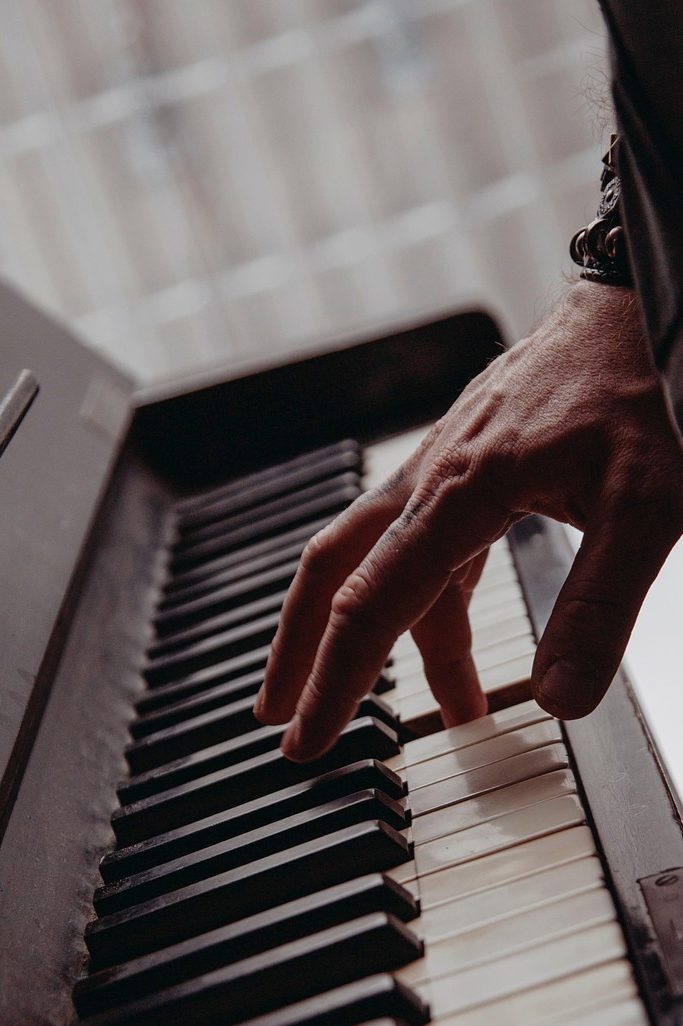
If you are lucky enough to have a piano, for those who used to play this can be particularly meaningful. A musical memory often outlasting other forms of memory. Watching someone’s fingers find their way across familiar keys, when they struggle with everyday tasks, is always such a joy and a source of satisfaction for them.
Connecting, engaging and inspiring
Music also has the power to build bridges between generations. Grandchildren visiting can share their favourite tunes with their grandparents, whilst, in turn, they can learn about artists from the past. In this way we like to know about our client’s musical preferences to help us provide them with better care. Understanding that Jane loves opera, for Frank it’s Northern Soul or that Ted was a jazz pianist gives a special insight into their personality, creating talking points and ways to better connect on a personal level.
In 2019 Música Para Despertar (Music to Awaken), a Spanish organisation that promotes the value of music to people suffering from dementia, released a video featuring former ballet dancer Marta Cinta González Saldaña. On hearing the music of Tchaikovsky’s Swan Lake, although in a wheelchair and in the advanced stages of the disease, Saldana began to recreate the graceful movement and emotions she rehearsed and danced all those years ago. Back in the moment and with complete conviction, the music and associations were still very much alive for her. Touching many people, the video went viral and has become a touchstone of the lasting power of music throughout our lives.*
Music and dementia care
The benefits of incorporating music into dementia care are profound. It reduces agitation and anxiety. It stimulates cognitive function and encourages physical movement. Most importantly, it preserves identity and dignity when so much else feels uncertain.
Music reminds us that the person we love is still there, beneath the confusion and challenges of their condition. It gives families hope and creates moments of genuine happiness. In a world that can feel increasingly disconnected, music brings us together. So let’s all make time for music, not just as background noise, but as a vital tool for wellbeing and connection.
*See a former ballerina’s reaction the music of Swan Lake.
Discover more on BBC Future about dementia, music and our brains.